Stroke recovery is a journey that goes far beyond the hospital or rehab center. For many stroke survivors, increasing muscle strength, particularly in the legs, is an essential step toward regaining independence. Along with conventional rehabilitation, holistic chiropractic care can be used as a complementary strategy to improve neuromuscular function and overall mobility.
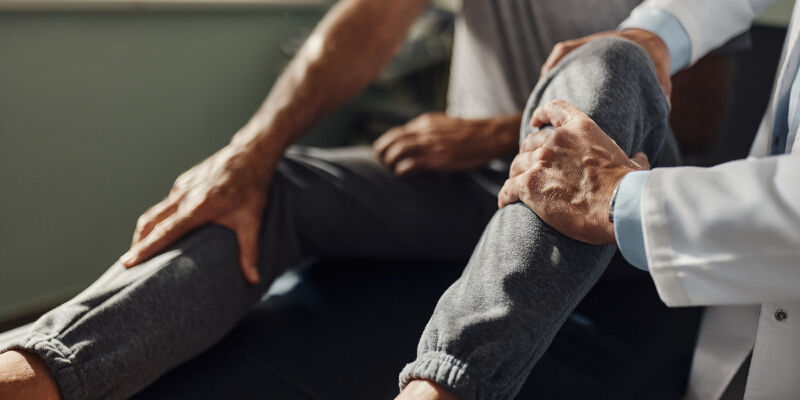
Here are a few ways that holistic chiropractic care can help improve muscle strength after a stroke.
- Improved Interaction Between Systems: A stroke affects communication between the brain and the muscles, frequently resulting in weakness, poor coordination, and imbalance. Holistic chiropractic care focuses on improving the interaction between the neurological and musculoskeletal systems. Essentially, chiropractors strive to decrease obstacles to movement and muscle activation by focusing on spinal alignment, joint mobility, and nervous system function.
- Improved Signals and Mechanics: According to research, chiropractic care may enhance leg strength after a stroke by improving neuromuscular signals and joint mechanics. When spinal joints move freely and posture improves, muscles in the hips, thighs, and lower legs can work more efficiently during walking and therapeutic exercise. This can help with physical therapy by making movements feel more natural and less tiring.
- Comprehensive Approach: Gentle spinal adjustments, soft tissue massage, balance training, and lifestyle advice, such as stretching, nutrition, and stress management, may all be part of holistic chiropractic care. These elements work together to support circulation, proprioception (the body’s sense of location), and muscular coordination, all of which are important for post-stroke strength recovery.
- Focus on Safety and Comfort: Holistic chiropractic care is typically adapted to be low-force and tailored to the individual, with a focus on safety and comfort. It is also the ideal complement for treatment received from physical therapists and recommendations from the medical team.